
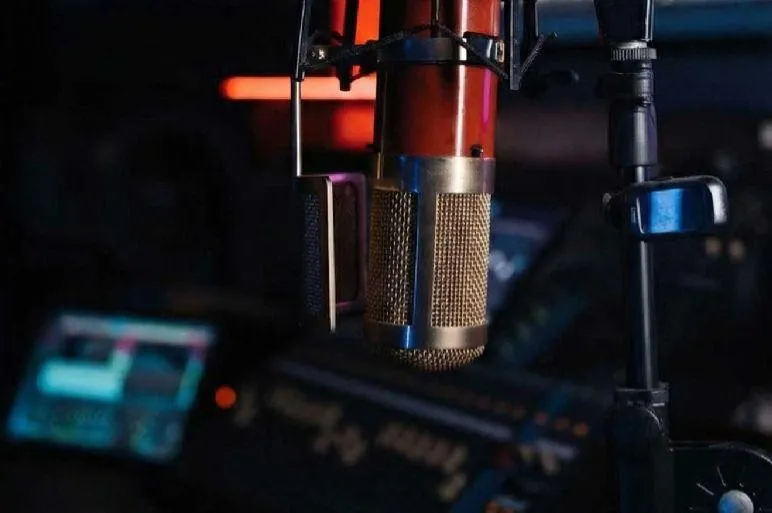
Studio Ready: The "Red Light" Prep Protocol
Studio Recording Tips for Singers: The Red Light Prep Protocol
In the music industry, time is money, literally. Studio time can cost hundreds or even thousands of dollars per day.
For singers, walking into the booth unprepared is one of the fastest ways to burn budget, lose momentum, and add unnecessary pressure to an already high-stakes environment.
The solution is the Red Light Prep Protocol.
This approach shifts your focus from learning the song to capturing the performance, so when the record button turns red, you’re calm, confident, and ready to deliver.
The Studio Is for Execution, Not Discovery
Professional singers understand one key truth: The studio is not where you figure it out, it’s where you execute what you have prepared.
If you’re still memorizing lyrics or testing melodies, once the mic is live, you’re behind. Those decisions should be made before you arrive.
1. Pre-Production: Do the Work Before You Walk In
The most effective studio prep happens outside the studio.
The “Dry Run” Strategy
Record yourself singing the song without any effects:
No reverb
No delay
No tuning
Why this matters: Effects mask pitch issues, reverb hides timing inconsistencies, and auto-tune creates false confidence. Practicing "dry" exposes the truth of your performance so you can address pitch, phrasing, or breath issues before they cost you expensive studio time.
When you can deliver the song confidently without help, the studio becomes a creative playground instead of a pressure cooker.
2. Microphone Technique: You Are Part of the Mix
In live settings, engineers often ride the fader for you. In the studio, you are part of the dynamic control. Understanding how to work a microphone is one of the clearest markers of a professional singer.
The Proximity Effect
Directional microphones boost low frequencies as you get closer.
The Move: For intimate or breathy verses, stay 2–4 inches from the mic
The Result: This captures warmth, detail, and presence
The Power Pull-Back
When singing louder passages or belts:
The Move: Pull back to 6–10 inches
The Angle: Slightly aim your air off-axis (toward the edge of the mic)
The Result: This prevents distortion, reduces over-compression, and keeps your tone clean and usable.
Note: Always listen to your producer's advice regarding the specific mic you are using.
3. Session Fuel: What You Put In Your Body Matters
Your vocal folds are living tissue. What you eat and drink directly affects how they function.
On recording days, your goal isn’t indulgence it’s consistency.
Foods and Drinks to Avoid
Dairy: Can thicken mucus and cloud your tone.
Caffeine and Alcohol: Highly dehydrating.
Spicy or Acidic Foods: Common triggers for acid reflux.
The Best Foods for Vocal Health
Room-temperature water: Ice water can constrict the throat.
Decaf Herbal Teas: Throat Coat or Licorice Root are industry standards.
Water-rich foods: Melon and cucumber keep you hydrated.
Green Apples: A quiet studio favorite for cutting excess phlegm.
Boring fuel leads to reliable results.
4. Vocal Health for Touring & Long Studio Days
For touring singers, studio readiness isn’t just about one session it’s about preservation.
Key habits for vocal longevity:
Humidify: Use a humidifier in hotel rooms and tour buses.
Hydrate: Counteract dry air conditioning with electrolytes.
Vocal Rest: Avoid loud talking after shows.
Cool Down: Build in vocal cool-downs, not just warm-ups.
Consistency keeps your voice dependable, even when your schedule isn’t.
5. The Mental Game: Beating “Red Light Fever”
“Red Light Fever” is the anxiety spike that hits the moment the record button turns on. It often shows up as shallow breathing, throat tension, or sudden pitch issues.
The fix isn’t more effort, it’s a mindset shift.
You are not chasing a perfect take. You are telling a story. Some of the most iconic vocal performances in history are technically imperfect but emotionally undeniable. Trust your preparation. Trust your team. Focus on connection, not control.
Final Thoughts on Studio Prep
Being studio-ready isn’t about perfection; it’s about respect. Respect for the music, the budget, the professionals in the room, and the work you have put in.
When you walk in hydrated, prepared, and technically grounded, you free yourself to focus on artistry. That’s when the magic happens.
— The Vocal Academy Team