
Studio Ready: The "Red Light" Prep Protocol
In the music industry, time is money...literally. Studio time can cost hundreds or even thousands of dollars per day, and that's before you factor in the engineer, producer, and session musicians. As a vocalist, walking into the booth unprepared is the fastest way to burn through your budget and frustrate your creative team.
The "Red Light" Prep Protocol is designed to ensure that when the record button is pressed, you are ready to deliver. It shifts the focus from "learning the song" to "capturing the performance." Here is how professional session singers prepare to nail the take in fewer attempts.
1. Pre-Production: The Work Happens Before You Arrive
The recording studio is a place for execution, not rehearsal. If you are still figuring out the melody, memorizing lyrics, or deciding on ad-libs when you step up to the mic, you are not ready.
The "Dry" Run Strategy: One of the most effective ways to prepare is to record yourself singing the song without any effects. No reverb, no delay, no auto-tune. Listen back critically. Reverb can mask pitch issues and timing errors. By practicing "dry," you expose the raw details of your performance, allowing you to fix pitchiness or phrasing issues in the practice room rather than the vocal booth. If you're struggling with pitch accuracy, our Green Room online course has specific modules on ear training and intonation.
2. Microphone Technique: Working the Proximity Effect
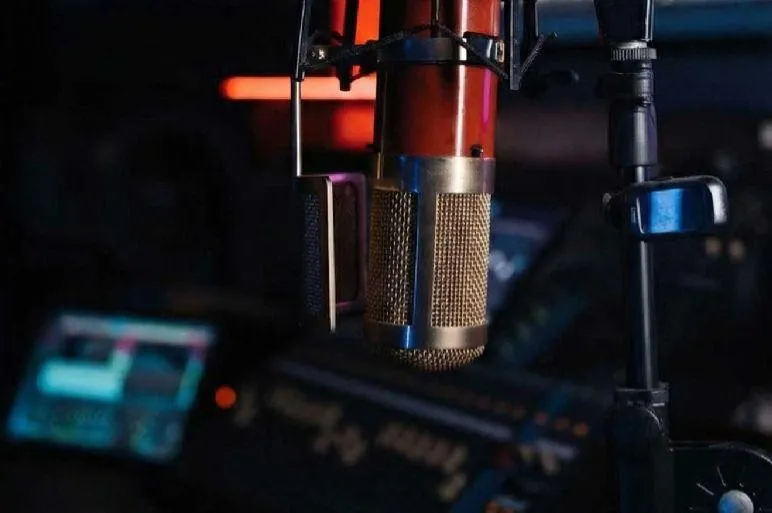
In a live setting, you might rely on the sound engineer to ride the fader. In the studio, you are part of the dynamic control. Understanding how to "work the mic" is a hallmark of a pro session singer. We cover advanced mic techniques in our Certification Program for those looking to master studio performance.
The Proximity Effect: Directional microphones boost bass frequencies as you get closer to them. For intimate, breathy verses, lean in close (2-4 inches) to capture that warm, full bottom end.
The Power Pull-Back: When you hit the powerful chorus or a high belt, pull back slightly (6-10 inches) and aim your air slightly off-axis (towards the edge of the mic rather than the center). This prevents the capsule from distorting and saves the engineer from having to over-compress your vocal.
3. Session Fuel: What to Eat (and Avoid)
Your vocal folds are biological tissue, and they react to what you put in your body. On recording day, your diet should be boring and functional.
Avoid: Dairy (milk, cheese, yogurt) can thicken mucus, causing frequent throat clearing. Caffeine and alcohol are diuretics that dry out the cords. Spicy foods can trigger acid reflux, which burns the delicate tissue of the vocal folds.
Embrace: Room temperature water, herbal teas (throat coat or licorice root), and water-rich foods like melon or cucumber. Green apples are a studio secret; their slight acidity can help cut through excess phlegm without drying you out.
4. The Mental Game: "Red Light Fever"
"Red Light Fever" is the anxiety that spikes the moment the record light turns on. It can cause your throat to tighten, your breath to shallow, and your pitch to go sharp.
To combat this, change your mindset. You aren't trying to sing a "perfect" take; you are trying to tell a story. Perfection is the enemy of emotion. Some of the greatest vocal performances in history have cracks, breaths, and imperfections that make them feel human. Trust your preparation, trust your producer, and focus on the emotion of the lyric.
Conclusion
Being "studio ready" is about respect—respect for the music, respect for the budget, and respect for the professionals working with you. When you walk in prepared, hydrated, and technically sound, you free yourself to focus on the art. That is when the magic happens. Ready to take your recording skills to the next level? Check out our upcoming Masterclasses featuring guest producers and engineers.
[Free Download] The Studio Session Prep Sheet
Ensure you are 100% ready before you book the time. This 7-day countdown checklist covers everything from practice schedules and dietary adjustments to exactly what to pack in your studio bag. [Download the Prep Sheet Here]